






December 8, 2026 –
In person lecture
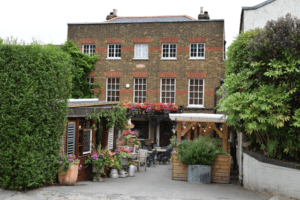
In this talk, I will explore the most significant 200 year period of The Flask in Highgate, 1700-1900. From beginnings as a small Georgian tavern, The Flask expanded on either side to cater for the needs of its changing clientele during a period of rapid economic and social transformation. The Flask displays evidence of tavern, inn and public house making this a unique building to study. Historical research is fused with a detailed recording exercise to provide insights into the key phases of construction and development.
Institute of Archaeology Lecture Theatre G6, 31-34 Gordon Square, WC1H 0PY
The Flask, Highgate: Society, Urban Development and Commerce in Post-Medieval London
Richard Hebblethwaite
In this talk, I will explore the most significant 200 year period of The Flask in Highgate, 1700-1900. From beginnings as a small Georgian tavern, The Flask expanded on either side to cater for the needs of its changing clientele during a period of rapid economic and social transformation. The Flask displays evidence of tavern, inn and public house making this a unique building to study. Historical research is fused with a detailed recording exercise to provide insights into the key phases of construction and development.
January 12, 2027 –
In person lecture
The Deptford Ragged School, founded in 1844, was situated at the heart of working-class Victorian Deptford. Few families in the district were unconnected to the institution, yet very little is widely known about those families, or the children who attended, or the communities they lived within. In this talk, Dr John Price, the Consultant Historian for the Educating Deptford project, will outline the history of the school, discuss some of the work it undertook, and reveal what impact it had on the neighbourhoods around it.

The Gallery, Alan Baxter Associates, 75 Cowcross Street EC1M 6EL
Educating Deptford: the Deptford Ragged School and it’s place in the community
Dr John Price FRHistS, SFHEA, Public and Community Historian
The Deptford Ragged School, founded in 1844, was situated at the heart of working-class Victorian Deptford. Few families in the district were unconnected to the institution, yet very little is widely known about those families, or the children who attended, or the communities they lived within. In this talk, Dr John Price, the Consultant Historian for the Educating Deptford project, will outline the history of the school, discuss some of the work it undertook, and reveal what impact it had on the neighbourhoods around it.
February 9, 2027 –
In person lecture
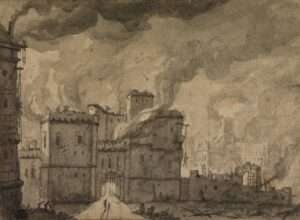
John Schofield's first Presidential Lecture will be a survey of houses and other secular buildings in the City of London from 1600 to 1670, incorporating the most recent topographical and archaeological studies. He argues that the Great Fire of 1666 destroyed only twenty per cent of the conurbation then standing; and that the larger area unaffected by the Fire furnishes much evidence for life in London during the century. When this is considered, we have to rethink what scholars have said about the Great Fire.
The Gallery, Alan Baxter Associates, 75 Cowcross Street EC1M 6EL
AGM and Presidential Address – The Great Fire did not take place…quite as you thought it did…
John Schofield, President of LAMAS
John Schofield's first Presidential Lecture will be a survey of houses and other secular buildings in the City of London from 1600 to 1670, incorporating the most recent topographical and archaeological studies. He argues that the Great Fire of 1666 destroyed only twenty per cent of the conurbation then standing; and that the larger area unaffected by the Fire furnishes much evidence for life in London during the century. When this is considered, we have to rethink what scholars have said about the Great Fire.
March 9, 2027 –
In person lecture
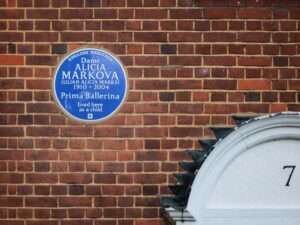
Blue plaques have been part of London’s streetscape since 1867 and illuminate the historical and biographical connections of buildings across the city. Administered by English Heritage since 1986, the scheme now celebrates over a thousand notable former residents in the places where they lived and worked. This illustrated talk will outline how the scheme operates, from the initial public nomination, through the stages of selection, research and manufacture, to the triumphant unveiling. It will highlight some of the more recent plaques to be installed and reflect on how every new addition reveals another aspect of the capital’s history and identity.
The Gallery, Alan Baxter Associates, 75 Cowcross Street EC1M 6EL
Making ‘our houses their own biographers’ 160 years of London’s blue plaques
Dr Susan Skedd, Blue Plaques Historian, English Heritage
Blue plaques have been part of London’s streetscape since 1867 and illuminate the historical and biographical connections of buildings across the city. Administered by English Heritage since 1986, the scheme now celebrates over a thousand notable former residents in the places where they lived and worked. This illustrated talk will outline how the scheme operates, from the initial public nomination, through the stages of selection, research and manufacture, to the triumphant unveiling. It will highlight some of the more recent plaques to be installed and reflect on how every new addition reveals another aspect of the capital’s history and identity.
April 13, 2027 –
In person lecture
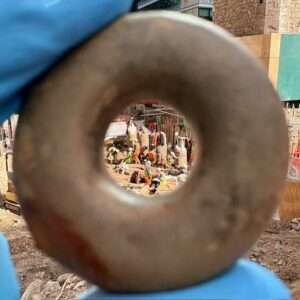
The talk will provide an overview of the project, highlighting key discoveries following completion of post-excavation assessment work, and planned future work. The excavation revealed evidence for early 1st century infrastructure and development in the Roman east end through to the medieval All Hallows Staining church and burial ground, the Clothworkers Hall which has been on the site since the 15th century and the commercial premises which utilised the site in the 20th century.
The Gallery, Alan Baxter Associates, 75 Cowcross Street EC1M 6EL
MOLA excavations at 50 Fenchurch Street. A post-excavation assessment update
Jessica Bryan, Project Officer, MOLA
The talk will provide an overview of the project, highlighting key discoveries following completion of post-excavation assessment work, and planned future work. The excavation revealed evidence for early 1st century infrastructure and development in the Roman east end through to the medieval All Hallows Staining church and burial ground, the Clothworkers Hall which has been on the site since the 15th century and the commercial premises which utilised the site in the 20th century.
May 11, 2027 –
In person lecture
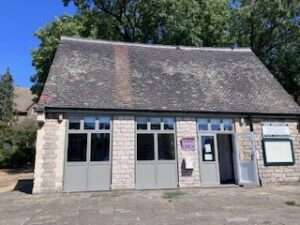
Hornsey Historical Society was founded in 1971, formed to research, preserve and promote the history of the parish of Hornsey, and, from 1983 included the area covered by the parliamentary constituency of Hornsey and Wood Green. It has over 300 members, living locally as well as overseas. It maintains an archive of 28,000 items at the Old Schoolhouse and publishes an annual journal as well as many high quality books on the history of the area. The HHS was an expression of the fresh interest in and enthusiasm for local history that led to the formation of many local history societies in the early 1970s, its development since has been influenced by particular features, notably the fluidity of the concept of 'Hornsey' over time, and by the acquisition of its own headquarter building, where most other local history societies have had a very close relationship with their borough's local history library and archives. It also remains active in protecting the local built and natural environment.
The Gallery, Alan Baxter Associates, 75 Cowcross Street EC1M 6EL
The Roy Hidson Lecture – The Hornsey Historical Society: A History
Peter Barber OBE, President, Hornsey Historical Society
Hornsey Historical Society was founded in 1971, formed to research, preserve and promote the history of the parish of Hornsey, and, from 1983 included the area covered by the parliamentary constituency of Hornsey and Wood Green. It has over 300 members, living locally as well as overseas. It maintains an archive of 28,000 items at the Old Schoolhouse and publishes an annual journal as well as many high quality books on the history of the area. The HHS was an expression of the fresh interest in and enthusiasm for local history that led to the formation of many local history societies in the early 1970s, its development since has been influenced by particular features, notably the fluidity of the concept of 'Hornsey' over time, and by the acquisition of its own headquarter building, where most other local history societies have had a very close relationship with their borough's local history library and archives. It also remains active in protecting the local built and natural environment.